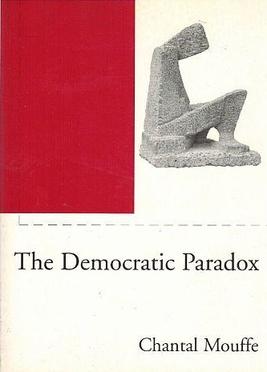
The Democratic Paradox: When Populism Challenges Rule of Law
In an increasingly complex global landscape, the very foundations of democratic governance are being tested. A rising wave of populism, often fueled by legitimate grievances but guided by divisive rhetoric, poses a profound challenge to the established rule of law and the liberal constitutional state. This tension reveals what many scholars call "the democratic paradox": the inherent vulnerability of a system designed to empower the majority, yet also bound to protect minority rights and fundamental principles that even a majority cannot simply overturn. This article explores how populist movements exploit democratic mechanisms to undermine the very structures that enable their ascent, examining the critical role of vigilance in safeguarding the **weg demokratische ordnung** – the path and fabric of democratic order.
The Core of the Paradox: Democracy's Self-Preservation Dilemma
At its heart, the democratic paradox lies in the dual nature of popular sovereignty. On one hand, free and fair elections are the bedrock of democratic legitimacy, empowering citizens to choose their representatives and, through them, shape legislation. The will of the people, expressed through the ballot box, is seen as the ultimate authority. On the other hand, the very exercise of this power is constrained by a constitution, a higher law designed to protect human rights, safeguard minority populations, ensure judicial independence, and uphold the separation of powers.
The paradox emerges when a democratically elected majority, or a populist movement gaining significant traction, begins to challenge these constitutional limits. They often argue that the "will of the people" should override judicial rulings, independent institutions, or even fundamental rights enshrined in the constitution. This rhetoric, while seemingly democratic, paves the way for the erosion of the rule of law. If a majority can simply disregard constitutional safeguards, the state risks descending into a form of majoritarian tyranny, where the rights of those outside the majority are vulnerable. As Niklas Luhmann insightfully observed, popular sovereignty within a constitutional democracy presents a unique tension: the sovereign is both the source of law and simultaneously bound by it.
Populism's Playbook: Undermining Institutions from Within
Populist movements, particularly those with authoritarian leanings, often follow a recognizable playbook to challenge the existing democratic order. They don't typically stage coups but instead chip away at democratic norms and institutions through legitimate-looking means.
Here are some common tactics:
- Attacks on the Judiciary: Courts and judges are frequently portrayed as "unelected elites" or "enemies of the people" when their rulings challenge government policies or hold power accountable. This delegitimizes the independent oversight essential to the rule of law.
- Weaponizing Referendums: While direct democracy has its place, populists can use referendums on complex issues to bypass parliamentary debate, sideline expert opinion, and create a direct mandate that they claim overrides constitutional constraints.
- Controlling the Media: Independent journalism is often branded "fake news" or biased, with efforts made to discredit critical reporting and promote state-controlled or sympathetic media outlets.
- Rewriting Electoral Rules: Changes to electoral systems, sometimes seemingly minor, can be designed to disadvantage opposition parties or entrench the ruling party's power.
- Erosion of Civil Service Independence: Appointments based on loyalty rather than merit can compromise the impartiality and effectiveness of public administration.
- Inciting Division: Populists thrive on creating an "us vs. them" narrative, often targeting minorities, immigrants, or specific segments of society as scapegoats, thereby fostering distrust and fragmenting social cohesion.
These actions, taken together, systematically weaken the checks and balances that are vital for a healthy democracy, making the **weg demokratische ordnung** increasingly precarious.
Germany's Stance Against Extremism: A Practical Defense of the Democratic Order
Germany, acutely aware of its historical vulnerabilities, has developed a robust framework to defend its liberal democracy, known as the "freiheitlich-demokratische Grundordnung" (free democratic basic order). This concept underpins its "militant democracy" (wehrhafte Demokratie), which allows the state to actively defend itself against those who seek to dismantle its constitutional principles, even if they operate within legal boundaries initially.
A recent case in Rheinland-Pfalz powerfully illustrates this commitment. A junior lawyer, having passed his first state examination, was denied entry into the crucial legal preparatory service (Rechtsreferendariat) – a prerequisite for becoming a fully qualified lawyer. The administrative court in Koblenz upheld the decision, citing his demonstrable hostility towards the free democratic basic order.
The court found that the individual had:
- Used dehumanizing language and systematically denigrated Black people in his writings.
- Been an active member, holding prominent positions, in organizations classified as "proven right-wing extremist" by the Federal Office for the Protection of the Constitution (Bundesamt für Verfassungsschutz), specifically the former AfD youth organization "Junge Alternative" and the association "Ein Prozent".
- Accused the Federal Constitutional Court of "dismantling the concept of the people" and advocated for a "positive renewal of Germany," which was interpreted as a call for reversing an alleged "population exchange" – a common right-wing extremist trope.
The court emphasized that individuals seeking to enter the legal profession, particularly as Rechtsreferendare, must demonstrate unconditional loyalty to the constitution (Verfassungstreue) through their entire conduct. This pivotal decision underscores Germany's unwavering resolve to protect its democratic institutions and the rule of law from those who would subvert them from within. It serves as a stark reminder that while freedom of speech is a cornerstone, it does not extend to actively advocating for the dismantling of the democratic state itself. This commitment to the **weg demokratische ordnung** ensures that individuals who actively undermine foundational principles cannot hold positions of trust within the state's legal system. For more on this critical case, see
Germany Upholds Democracy: Jurist Denied Role for Extremism.
Safeguarding the Democratic Order: Strategies and Responsibilities
The challenge posed by populism to the rule of law is not confined to any single nation; it is a global phenomenon. Protecting the **weg demokratische ordnung** requires continuous vigilance and concerted effort from all segments of society.
Here are key strategies and responsibilities:
- Strengthening Constitutional Loyalty (Verfassungstreue): As seen in the German case, a commitment to fundamental democratic principles is not just a passive acceptance but an active embrace. This must be a core expectation for public servants and, ideally, for all citizens. Learn more about this crucial concept in Constitutional Loyalty: Germany's Stance Against Anti-Democratic Views.
- Robust Civic Education: Educating citizens, especially younger generations, about the principles of democracy, the rule of law, critical thinking, and media literacy is paramount. Understanding how institutions work and why checks and balances are essential helps inoculate against populist demagoguery.
- Supporting Independent Institutions: Active support for independent judiciaries, free press, and robust civil society organizations is crucial. These are the watchdogs that hold power accountable.
- Promoting Inclusive Dialogue: Addressing the root causes of populist appeal – such as economic inequality, social disenfranchisement, and feelings of being unheard – through inclusive political and social dialogue can prevent radicalization.
- Voter Engagement and Responsibility: Informed and active participation in elections is vital. Citizens must hold their representatives accountable and vote for candidates who respect democratic norms and the rule of law.
- Digital Literacy: In an age of misinformation, discerning credible sources from propaganda is a critical skill. Promoting digital literacy helps counter the spread of divisive and false narratives.
These efforts are not merely about defending the status quo; they are about continually reaffirming and strengthening the democratic ideal, ensuring that future generations inherit a system capable of self-correction and resilience.
Conclusion: The Enduring Challenge to the Democratic Order
The democratic paradox is a perpetual challenge, a reminder that democracy is not a fixed state but a dynamic process requiring constant cultivation and defense. When populism challenges the rule of law, it tests the very resilience of constitutional democracy. The German experience, with its explicit commitment to a militant democracy and the legal rejection of individuals hostile to its core principles, offers a powerful model for how a state can proactively defend its democratic foundations. Upholding the **weg demokratische ordnung** means more than just holding elections; it requires an unwavering commitment to the principles of human rights, minority protection, judicial independence, and constitutional loyalty. Only through such collective vigilance and institutional strength can democracies navigate the turbulent waters of populism and emerge stronger, ensuring that the will of the people is always exercised within the bounds of a just and equitable legal framework.