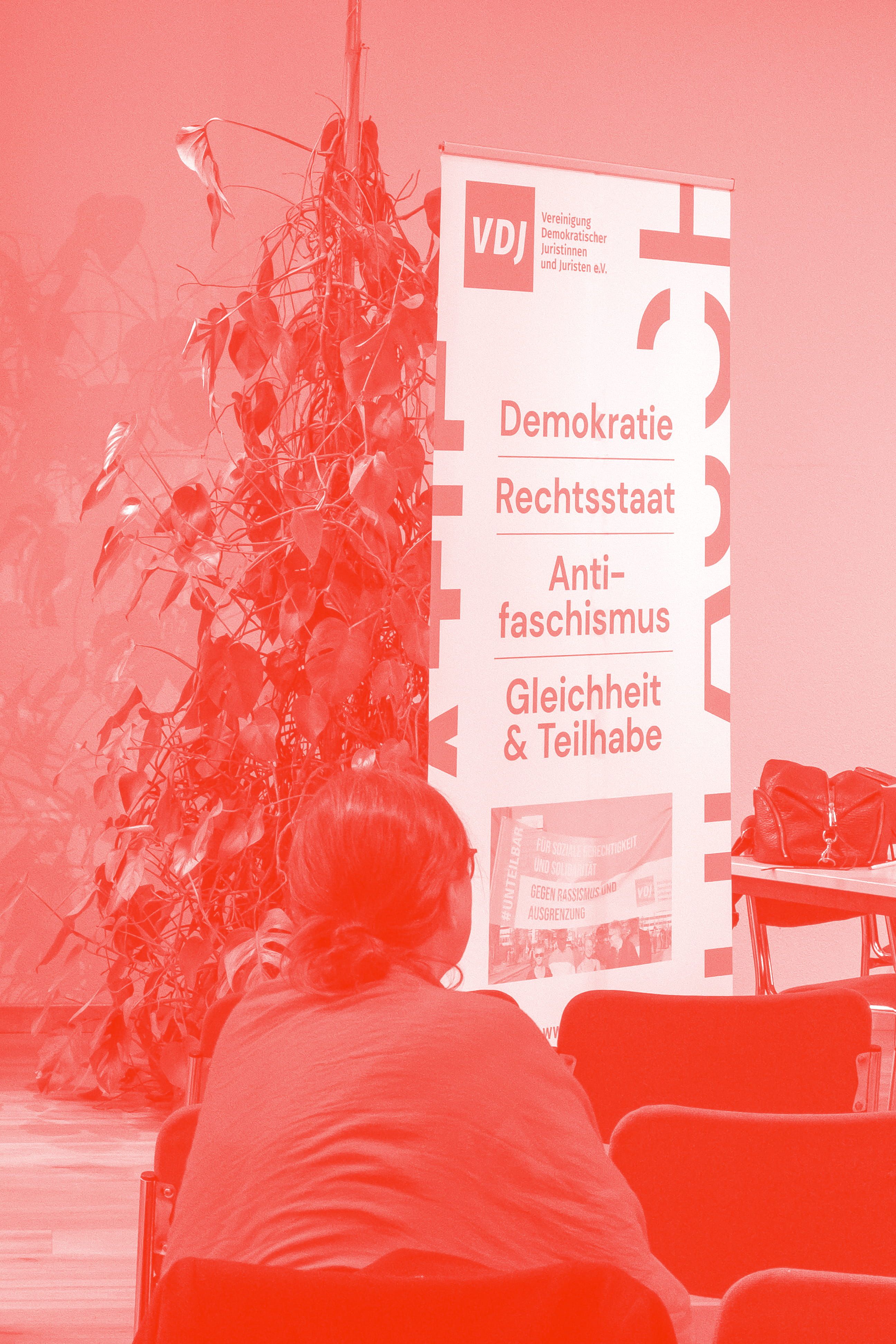
Germany Upholds Democracy: A Clear Stance Against Extremism in Public Service
In a landmark decision underscoring Germany's unwavering commitment to its constitutional principles, a junior jurist in Rhineland-Palatinate has been definitively denied entry into the crucial legal preparatory service (Rechtsreferendariat) due to his proven advocacy for views fundamentally opposed to the liberal-democratic basic order. This robust judicial stance highlights Germany's concept of a "defensive democracy" – a system designed to actively protect itself from those who seek to undermine its foundations, even from within. The case sets a powerful precedent, reaffirming that public office, particularly within the judiciary, demands an absolute commitment to constitutional loyalty, free from the shadow of extremism.
The Foundation of German Democracy: The "Wehrhafte Demokratie"
At the heart of Germany's political system lies the
Freiheitlich-Demokratische Grundordnung (FDGO), or liberal-democratic basic order. This is not merely a set of rules but a foundational ethos, encompassing human dignity, separation of powers, the rule of law, and the right to form political parties, all underpinned by the principles of popular sovereignty and individual freedom. Following the catastrophic failures of the Weimar Republic and the horrors of Nazi Germany, the framers of the Basic Law (Germany's constitution) deliberately engineered a "wehrhafte Demokratie" – a defensive democracy. This means the state is equipped to actively protect itself against those who reject or seek to abolish its fundamental values, even if they operate using seemingly democratic means.
The German legal system, therefore, places paramount importance on the constitutional loyalty (
Verfassungstreue) of its public servants. This is particularly true for professions like the judiciary, where individuals are entrusted with upholding the law and safeguarding justice. The Rechtsreferendariat, a mandatory two-year practical training period following the first state examination in law, is a critical gateway to becoming a judge, prosecutor, or fully qualified lawyer. It is during this period that future legal professionals are expected to demonstrate an unreserved commitment to the principles they will ultimately be sworn to defend. This recent ruling is a vivid illustration of this principle in action, showcasing Germany’s proactive measures against any individual or movement aiming to carve a path
weg demokratische ordnung.
The Jurist's Path: Extremism, Hate Speech, and Undermining Constitutional Values
The administrative court in Koblenz based its decision on a compelling body of evidence outlining the junior jurist's sustained engagement with and promotion of anti-democratic ideologies. His activities extended beyond mere affiliation; they included the active dissemination of hateful and discriminatory content. Among the specific findings were:
- Dehumanizing Language: The jurist used disparaging and contemptuous terms for individuals, particularly people of color. He notably asserted that a black Austrian football player could not be considered German or Austrian, reflecting a deeply problematic and exclusionary understanding of national identity.
- Rejection of Democratic Principles: His writings included direct accusations against the Federal Constitutional Court, alleging it was "dismantling the concept of the people" (Volksbegriff). He championed his own ethno-nationalist definition of "the people," advocating for a "positive renewal of Germany" that could only be interpreted as a call for reversing an imagined "population exchange" (Bevölkerungsaustausch). This notorious far-right conspiracy theory posits that native European populations are being deliberately replaced by non-European immigrants.
- Affiliation with Extremist Groups: The court highlighted his membership in the now-disbanded AfD youth organization, "Junge Alternative," and the association "Ein Prozent." Both groups have been formally classified by the Federal Office for the Protection of the Constitution (Bundesamt für Verfassungsschutz – BfV) as "proven right-wing extremist." Furthermore, the jurist had held prominent positions within these organizations, indicating a leadership role in propagating their ideologies.
These actions and affiliations painted a clear picture of an individual whose beliefs and activities were fundamentally incompatible with the principles enshrined in the FDGO. The court recognized that allowing such an individual into the legal preparatory service would compromise the integrity of the state and its institutions. It represents a firm stance that intellectual prowess alone is not enough; a steadfast adherence to democratic values is paramount for anyone aspiring to serve the state, preventing any influence from those who advocate for a future
weg demokratische ordnung.
Upholding Constitutional Loyalty: The Role of the Courts and Public Service
The legal battle unfolded after the Koblenz Higher Regional Court, as the admitting authority, initially rejected the jurist's application for the Rechtsreferendariat, citing his lack of constitutional loyalty. His subsequent emergency appeal to the administrative court was unsuccessful, with the court reiterating that legal trainees must, through their entire conduct, commit themselves to the liberal-democratic basic order. The decision, which is no longer appealable, serves as a definitive judicial statement.
This case is not an isolated incident but rather a crucial demonstration of how Germany's constitutional framework actively combats extremism. It underscores that freedom of speech and political association, while fundamental rights, are not absolute when they actively seek to dismantle the very democratic order that guarantees them. For public servants, and especially those entering the judiciary, the standard of constitutional loyalty is exceptionally high. They are not merely employees but guardians of the rule of law. Their actions and expressed beliefs must consistently align with the principles of the FDGO.
The German system, unlike some others, is proactive in identifying and excluding individuals whose ideologies pose a threat. The BfV plays a critical role in monitoring groups and individuals deemed extremist, providing crucial intelligence that informs decisions like the one in Koblenz. This robust framework ensures that the state's institutions remain resilient against internal subversion. This proactive defense is vital, especially when considering the broader challenges democracies face. As discussed in
Constitutional Loyalty: Germany's Stance Against Anti-Democratic Views, this commitment is a cornerstone of Germany's post-war identity.
Safeguarding Democracy in an Era of Populism
This ruling resonates deeply within a global context where democratic institutions are increasingly challenged by populist movements and the spread of extremist ideologies. The concept of the "democratic paradox" highlights how democratic means can sometimes be used to undermine democracy itself. As elaborated in
The Democratic Paradox: When Populism Challenges Rule of Law, the rise of authoritarian populism across many nations creates constitutional crises, where the very principles of human rights, minority protection, and the rule of law are questioned by majorities elected through democratic processes.
Germany's approach, exemplified by this case, offers a powerful counter-narrative. It demonstrates that a democratic state can and must defend itself against those who exploit its freedoms to advocate for a future
weg demokratische ordnung. It reinforces the idea that true democracy is not simply about majority rule, but about the preservation of fundamental rights and constitutional safeguards for all.
Practical implications and insights from this case include:
- Vigilance of State Institutions: It highlights the critical role of agencies like the BfV and administrative courts in safeguarding democratic principles.
- Responsibility of Public Servants: It sets a clear standard for constitutional loyalty for anyone entering public service, emphasizing that personal beliefs must align with democratic values.
- Importance of Civic Education: The case underscores the ongoing need for robust civic education to inoculate society against the allure of extremist ideologies and to foster an understanding of democratic responsibilities.
- Legal Tools for Democratic Self-Defense: It illustrates the effectiveness of legal mechanisms in preventing the infiltration of state institutions by individuals hostile to the democratic order.
Conclusion
The decision by the administrative court in Koblenz is more than just a legal ruling; it is a profound statement about Germany's core identity and its unwavering commitment to democratic principles. By denying a jurist a path into public service due to his extremist views and activities, Germany has once again affirmed its status as a "defensive democracy," willing and able to protect its foundational values. This clear message – that there is no place for those who seek to lead the nation
weg demokratische ordnung within its institutions – reinforces the integrity of the state and serves as a powerful reminder globally of the vigilance required to preserve democracy against all forms of extremism.